


Super User
جراحات الأورام
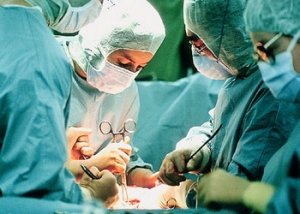
· أستئصال الأورام الليفية من الرحم
· أستئصال الرحم و المبيضين و الأنابيب
· جراحات اورام عنق الرحم
· جراحات اورام المبيضين
برامج رعاية الحمل
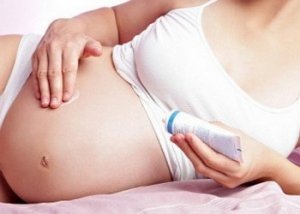
وحدة رعاية الجنين والأم أثناء الحمل تقدم مفهوم وفلسفة جديدة لمتابعة الحمل في مصر حيث تعتمد هذه الوحدة على تقديم خدمة طبية تستند إلى الدليل الطبي في جدوى وفاعلية الخدمات والرعاية المقدمة أثناء الحمل متبعة في ذلك أرقى أنظمة متابعة الحمل ومستعينة بأفضل تقنية تكنولوجية وتشمل الوحدة:
· متابعة الحمل الحرج
· الموجات فوق الصوتية والدوبلر الملون لقياس كفاءة المشيمة
· الموجات فوق صوتية ثلاثية و رباعية الابعاد
· قياس النشاط الحيوي للجنين.
· تشخيص الأمراض الوراثية والعيوب الخلقية أثناء الحمل.
· الاختبار الثلاثي لتشخيص العيوب الخلقية في الأنبوبة العصبية ومتلازمة داون.
· تحاليل الوراثة للأبوين وللجنين من السائل الأمنيوسى أثناء الحمل.
· تحليل الوراثة لتشخيص أسباب الإجهاض المتكرر.
· الولادة بدون الم
· حفظ الخلايا الجزعية من الحبل السري
· تنظيم فترة ما بعد الولادة
مواضىع هامة خاصة بالحمل
· الكشف بالموجات فوق الصوتية
· إرشادات للحوامل
· تمارين خلال فترة الحمل
· نصائح أثناء الولادة بالإضافة إلى طرق تخفيف الألم أثناء الولادة
· تعليـــمات بعـــــد الــولادة
· تنظيم فترة ما بعد الولادة
· العناية بالطفل حديث الولادة
· النمو والتطور في الطفولة
· تمارين ما بعد الولادة
برامج الخصوبة
|
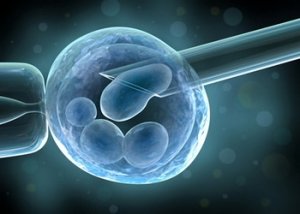
نقدم لكم في مركزنا الفرصة للحصول سريعاً على العلاج المناسب لتحقيق أمنياتكم بالحصول على طفل مستفيدين من الأمكانيات و التقنيات العالية و خبرة الأطباء العاملين بمركزنا . |
|
العلاج الذى نقدمه لمساعدة الأنجاب مؤثر و بدون اى تعقيدات و نستطيع مساعدتكم فى كل الخطوات التى تحاتجوا الى اتخاذها سواء من ترتيب طريقة وصولكم الى المركز . كذلك ترتيب أقامتكم فى الاسكندرية أذا كنتم قادمين من خارج الاسكندرية او من خارج مصر اضافة الى ترتيب او تقديم اى مساعدة تحتاجون اليها فى أثناء تلقى العلاج . |
|
زيارتكم الأولى بعد وصولكم حيث يكون هناك موعد محدد لمقابلتكم يتم عمل تباحث مع الطبيب الأستشارى الذى سيتولى علاجكم حيث يقوم بفحص كل من الزوجين و توضيح جميع الخطوات و المسائل المتعلقة بالعلاج وذلك بعد الأطلاع على كل الفحوصات التى قمتم بأجرائها من قبل و فى أثناء هذه الزيارة قد يكون هناك حاجة الى اجراء موجات صوتية للزوجة او اعادة تحليل الزوج كذلك قد يكون هناك حاجة الى اجراء بعض فحوصات المعملية الخاصة بالهرمونات والأخرى المتعلقة بالعلاج الذى ستتلقونه . بعد أجراء هذا التقييم المبدئى يتم اختيار بروتوكول العلاج المناسب و جرعات الأدوية التى تختلف من حالة الى اخرى و التى يتم توضيح كيفية البدء فيها كذلك يقوم الأطباء بتحديد مواعيد اخذ ادوية تنشيط التبويض او الخصوبة و التى يمكن اخذها من المركز كذلك تحديد مواعيد الموجات الصوتية و التحاليل اللازمة أثناء فترة العلاج |
الخدمات التى يقدمها المركز
· التلقيح الصناعي
· الحقن المجهري
· الحقن المجهري فائق التكبير لدقة انتقاء الحيوانات المنوية
· تجميد الأجنة
· تجميد الحيوانات المنوية
· التشخيص الوراثي للأجنة قبل الحمل و إختيار جنس الجنين
· ثقب جدار الجنين بإستخدام أشعة الليزر
· نقل الاجنة في اليوم الخامس
Risks of Infertility Treatment

Your Fertility Specialist will discuss the possible risks as they relate to you and your partner during the Informed Consent Process.
Anyone taking medication for any reason should be aware of the possible side effects and should report adverse effects to those managing their treatment. The medications used for ART are known to create some minor side effects in women, but there is no evidence of increased risk to a baby born as a result of a properly managed treatment. The operations and anaesthetics used in ART carry similar risks as for any gynaecological operation. For gynaecological operations, the usual risks of serious complication or death are approximately 1 in 5,000.
Here is more information on possible risks:
Ovarian Hyper Stimulation Syndrome (OHSS)
Multiple Pregancy
Cancer
Birth Defects
Treatment options

Research has shown that many couples are uncertain, even intimidated, about initiating infertility treatment. Fears about treatment are often based on out-dated or erroneous information.
Recent improvements in medication, micro-surgery and advanced fertility treatments have made healthy pregnancy a possibility for the majority of patients who seek expert infertility advice.
Here are some treatment options:
Ovulation Induction (OI)
Intrauterine insemination
Intra-Cytoplasmic Sperm Injection (ICSI)
Assissted Hatching
Blastocyst Transfer
Testicular Biopsy (TESE)
PGS - Preimplantation Genetic Screening
Embryo Cryopreservation
Healthy Body Mind Program
Infertility and Stress
Acupuncture
Male Infertility

Causes of male infertility
Male infertility is very common, affecting about one man in twenty. Male factor is present in almost half of all infertile couples and about one third of all IVF procedures are performed for male factor infertility. For most men the discovery that they are infertile comes as a total surprise.
It must be remembered that the testis have two distinct roles.
The first is to produce the male sex hormone, testosterone, which is important for providing sex drive, erections, strong muscles and basically giving a man a general feeling of well being. All these things can be described as virility.
The second function of the testis is to produce millions of sperm everyday, a process that occurs inside each testis. For most infertile men it is only this process that is at fault and a reduced number or poor quality of sperm are produced.
Most infertile men produce low numbers of sperm, which may also show both poor swimming ability (called motility) and be abnormally shaped (morphology). In such men, only a small number of normally shaped motile sperm are likely to swim up the woman's fallopian tube into the vicinity of the egg and even then may be unable to fertilise the egg.
Why does this problem develop? We now believe that most cases are genetic. In other words, these men are born without the genetic information that would allow sperm production to occur normally. No treatment for men to improve sperm counts is likely to become available. IVF techniques offer hope though, as they require very much fewer normal sperm than does Nature.
In the remaining one third of infertile men, we can find a likely cause for their infertility including:
1. Obstruction to the passage of sperm from the back of the testis to the outside can result from blockage or absence of the vas deferens. Common causes include, obviously, vasectomy, but any history of injury, and other surgery or sexually transmitted disease may be important.
2. Men can make antibodies to their sperm following vasectomy or other trauma or infection. These antibodies are a common cause of infertility and prevent sperm swimming or sticking to the egg. Such antibodies can only be found using a special test on fresh sperm and is available Barbados Fertility Centre.
3. The testis can be damaged by a wide number of treatments including chemotherapy or repeated X-Ray therapy.
4. Some men have difficulties obtaining an erection, or in ejaculating due to a wide range of problems such as diabetes, MS, or previous prostate surgery. In these cases sperm can be found and used for IVF.
5. Rarely, a deficiency in the brain pituitary hormones may result in low sperm counts. Its detection is important as it is readily treated with hormone injections.
Finally studies have shown that sperm counts have declined worldwide. The alleged change is quite small (about 15%) and no cause has been confidently identified, however it is believed to be an environmental factor.
In conclusion while the causes of infertility are uncertain in many men, certain conditions can be identified and treated. These facts make it essential that all infertile men have their situation thoroughly investigated.
Investigations of male infertility
Often the infertile man is entirely healthy but for some reason produces poor quality sperm. However some men have serious medical problems such as a low male sex hormone level - testosterone. It is therefore very important that men in infertile relationships see a doctor trained in reproductive medicine. Previous fertility, genital surgery or infections, undescended testes and certain systemic diseases are of importance.
The most important test is the semen analysis, which requires a great deal of expertise to comply with the high standards prescribed by the World Health Organisation.
Semen quality varies widely between men. Even for a particular man a minimum of two sperm counts at least three weeks apart need to be taken to give a true indication of his sperm quality. The test is performed after two to four days of sexual abstinence.
A sperm count greater than 20 million/ml is considered normal, however the average for the population is about 60 million and some men have a sperm count of above 200 million/ml. Sperm counts between five and 20 million do not necessarily indicate a severe infertility problem. The ability of sperm to swim is termed motility. Normally greater than 40% of sperm show some motility. Markedly reduced motility problems can greatly reduce fertility. The sperm shape, termed morphology, is an important predictor of fertility and the accurate assessment of this feature requires great skill.
Sperm antibodies are an important cause of infertility as they reduce the sperm's motility and ability to stick to the egg. They can be readily detected on fresh sperm at the time of semen analysis and are an essential initial test performed in our laboratory. Another indicating test is the sperm mucus interaction test, which examines the ability of sperm to swim through mucus.
Blood hormone tests are also performed. Poor testicular function can reduce testosterone levels, which in turn impairs sex drive and energy levels. The FSH (Follicle Stimulating Hormone) test gives an indication of the amount of sperm being produced. In normal men or those with a blockage of sperm outflow, FSH levels are normal. However when the testicle is severely damaged, and few or any sperm are being produced, FSH level rises progressively. This is a standard blood test that should be performed routinely if a severe male factor is diagnosed.
A zero sperm count may be due to either blockage in the tubes or to the failure of sperm production. A testicular biopsy, often using a fine needle under local anaesthesia, with microscopic examination by our embryologist, readily clarifies whether sperm are present in the testis. In some cases of blockage, further tests such as ultrasound of the prostate and bladder region can be performed by a Urologist.
In conclusion, thorough clinical assessment of the man and the performance of a range of specialized hormone and sperm tests are needed to for full evaluation.
Female Infertility

There are a number of possible causes of female infertility, such as:
Pre Cycle Testing

Individualised Care:
An initial assessment of your general health will be performed and previous history will be taken before advising you which tests/investigations you need. The tests may include some or all of the following depending on what you need (a complete list will be given to you once you are a registered patient):
Blood tests (Men and Women)
1. Rubella (German Measles)
All female patients are tested for Rubella immunity. If there is no natural immunity to Rubella, then vaccination must be undertaken before commencing treatment. This eliminates the potential danger of the effects of Rubella with early pregnancy.
2. Hormone levels
Oestrogen, Luteinising Hormone, Thyroid Stimulating Hormone, Prolactin and Follicle Stimulating Hormone levels are generally tested on day 2 or 3 of your cycle prior to treatment to ensure that these are normal.
3. HIV
There are four reasons for performing this test
1) the risk of a pregnancy to a female who is infected with the virus. Pregnancy may have a negative impact on the health of an HIV positive woman.
2) the risk of transmitting the HIV virus to a child during childbirth.
3) the theoretical risk of frozen embryos / gamates transmitting the virus to other patient`s embryos / gametes
4) the risk to fertility centre staff that are handling body fluids from a large population on a daily basis. We would be required to take special precautions with samples from HIV positive patients.
4. Hepatitis B and C
Hepatitis has similar risks to HIV. Hepatitis is more infectious than HIV, although the death rate is much lower. Both partners should be tested. These tests are also of vital importance for the freezing of couples gametes and embryos.
Baseline Ultrasound Scans (Women)
A vaginal ultrasound is required. The reasons for the ultrasound are to:
1. Determine if there are any physical changes, such as fibroids or polyps, that may effect your cycle, and also check for the presence of ovarian cysts;
2. Assess the ease of 'access' to your ovaries, as your eggs will be collected using an ultrasound-guided method;
3. Provide a 'baseline' report that can be used as a reference during your treatment cycle;
4. Measure the size of your ovaries and count the number of small follicles present in your ovaries.
Occasionally you may need other baseline scans done prior to treatment cycles. Most women find a vaginal ultrasound to be a relatively painless and simple procedure. The woman's partner or a support person can be present during the procedure if she wishes. An empty bladder is required for this procedure.
Semen analysis (Men)
Two semen analyses are required. At least one semen analysis should be performed at the our laboratory prior to egg retrievalas test results can vary between laboratories and also over time. These analyses may include tests for sperm antibodies in the semen and checks for possible infection that may affect fertilisation. Details on collection of the sample will be given to you when you make your appointment. Our laboratory also does a detailed preparation to determine what the best technique for preparing your sample is.
Semen production
For some men, providing a semen sample on the day of egg collection can be quite embarrassing and stressful. We endeavour to make this event as easy as possible for you:
- it is important to remember that the personnel who will be dealing with you and your sample are doing their normal day's work and, although it may not seem so to you, find it quite commonplace.
- there are alternatives to producing your sample at the Clinic. The sample may be produced off the premises and brought to the Clinic in the appropriate sterile container (as long as the time to travel is within one hour).
- The sample does not need to be produced by masturbation. Your partner may accompany you .
- WE also has the ability to freeze your sperm. It could be used as a back-up to prevent any problems occurring on the day of your partner's egg collection. It should be noted that sperm freezing may reduce the motility of your sperm and ICSI may then be required.